A struggling cannabis dispensary rarely needs another long list of ideas. What it needs is a team capable of turning the right ideas into daily execution.
A new inventory strategy means little if purchasing habits never change. A new sales process will not improve performance if the staff is not trained to use it. A turnaround plan will not stabilize a store if managers are not equipped to lead it consistently. That difference between knowing what needs to change and actually making those changes work inside a live retail environment is central to the way Chasom Brown, Cannabis House, and Cannabis Rescue™ Company approach cannabis operations.
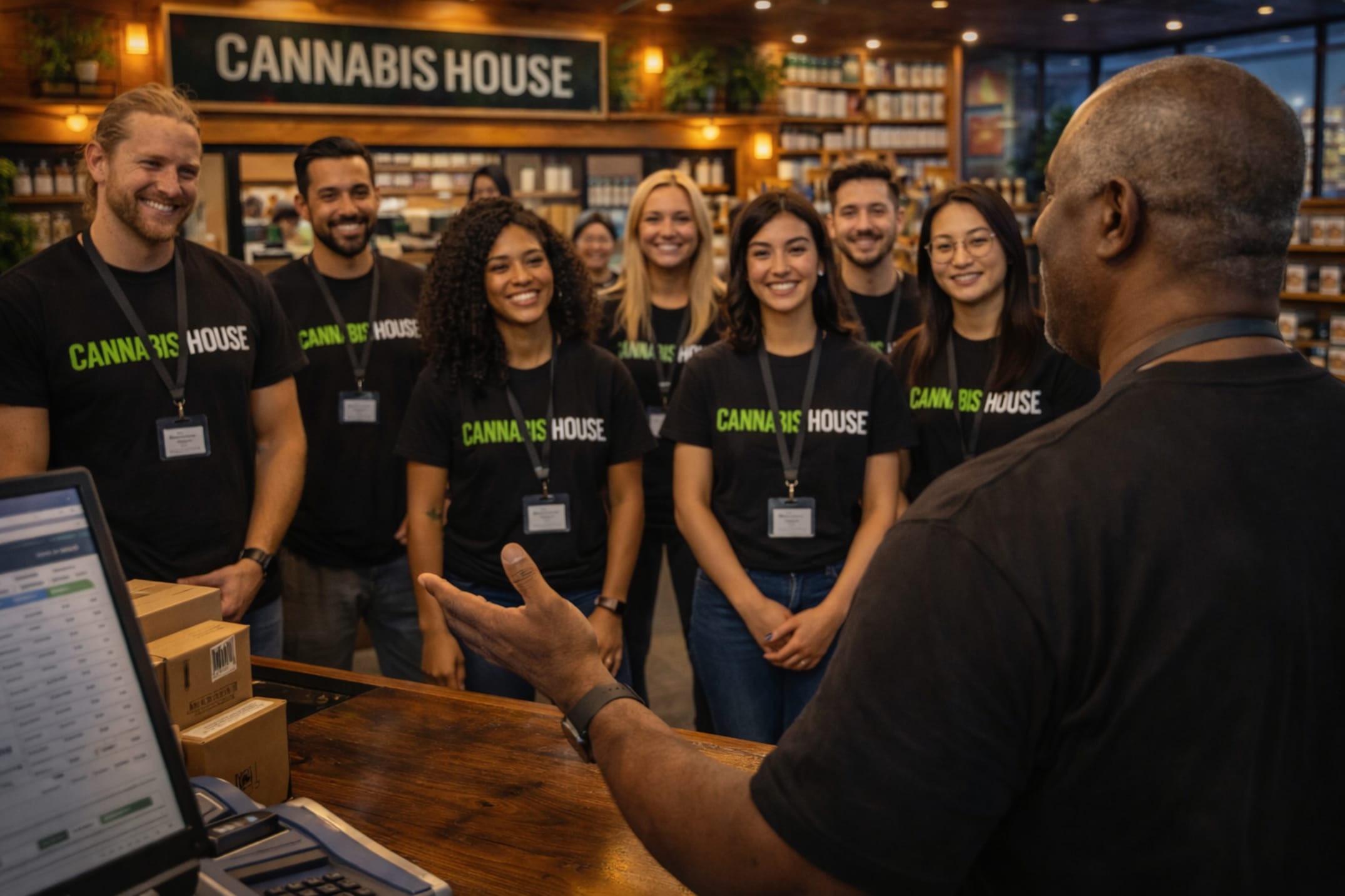
Successful cannabis turnarounds are not built by one person. They are implemented by teams.
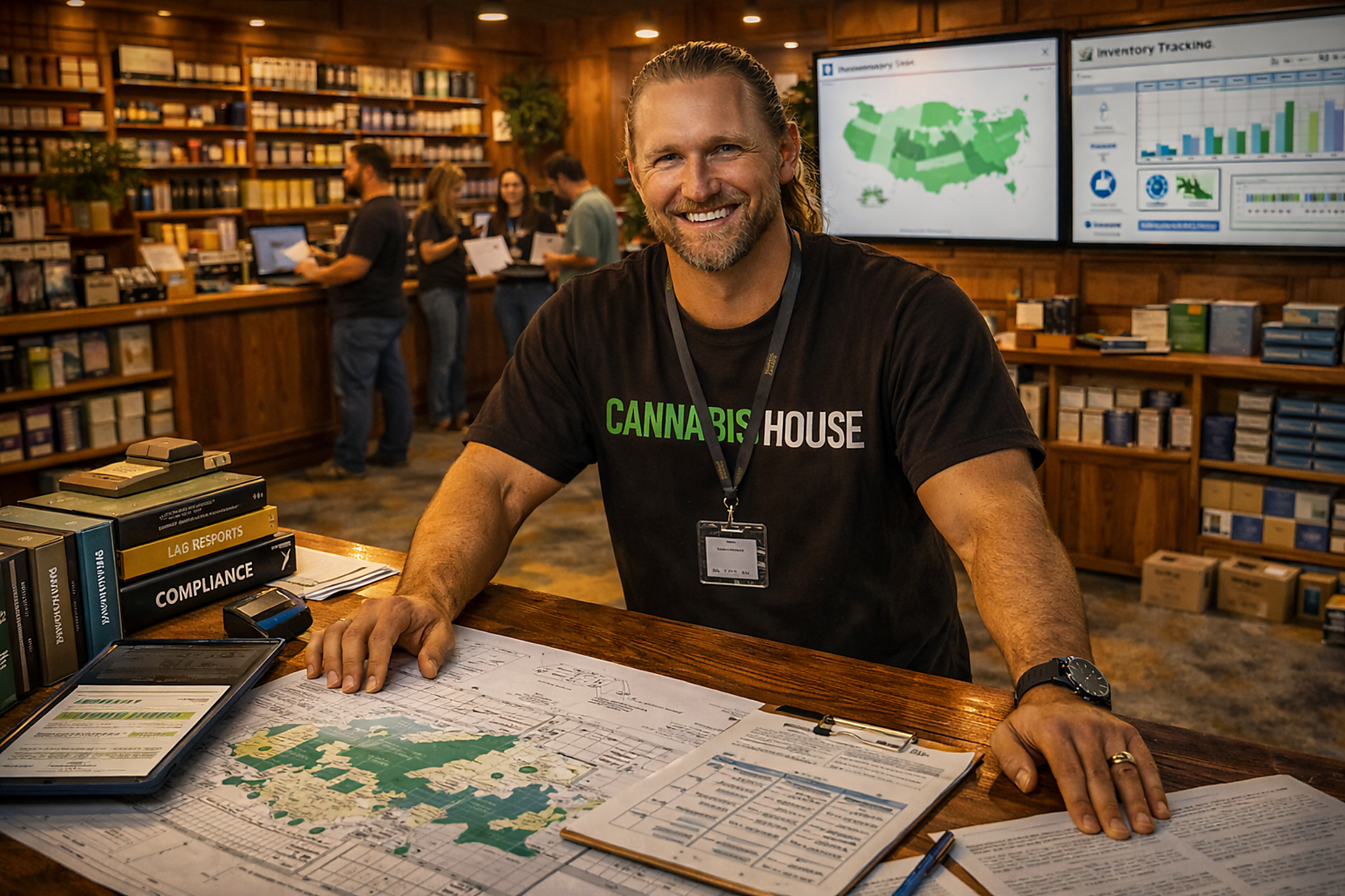
Chasom Brown has helped shape the operating philosophy behind Cannabis House and Cannabis Rescue, but cannabis retail is too complex for meaningful improvement to depend on a single individual. Behind the strategy is an operating team responsible for translating direction into action across store leadership, employee accountability, inventory movement, customer experience, merchandising, sales performance, compliance, training, reporting, and the countless daily decisions that determine how a dispensary actually performs.
That distinction is important because distressed cannabis operators generally do not need someone simply telling them what should be different. They need people capable of helping make those differences operational while the doors remain open, customers continue shopping, employees continue working, inventory continues moving, and the business continues carrying its financial obligations.
Identifying a problem is valuable. Implementing the solution inside a functioning cannabis business is where the real work begins.
Cannabis businesses are often evaluated through financial statements, point-of-sale reports, inventory data, compliance records, labor costs, and sales trends. Those numbers matter because they reveal what is happening to the business, but they do not always explain why it is happening.
The causes frequently become clearer on the sales floor. How is the store opened each morning? Who owns each responsibility? What happens when inventory stops moving? Are purchasing decisions based on actual customer demand? Does the team understand current promotions? Are employees trained consistently? Are managers actively coaching their teams or simply reacting to problems as they occur?
Customer experience adds another layer. Guests may walk into a dispensary looking for flower, pre-rolls, edibles, vape products, concentrates, or simply guidance about what may best fit their preferences. Whether those customers feel welcomed, receive useful recommendations, understand their choices, and leave with confidence can directly affect repeat business and long-term customer retention.
These are operational questions, and answering them requires more than reviewing reports from a distance. It requires implementation inside the store.
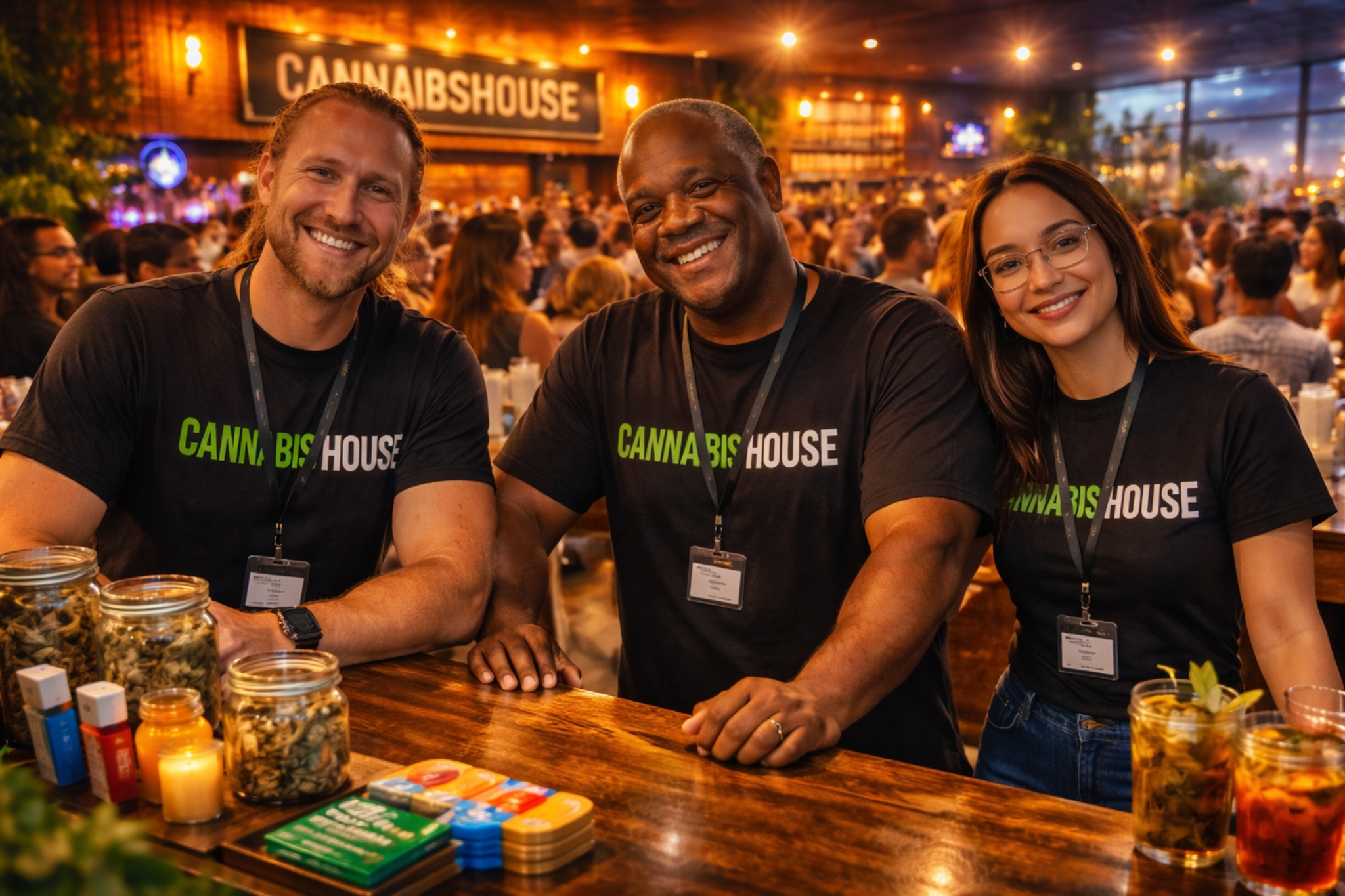
For a distressed cannabis operator, one of the most difficult challenges is often not recognizing that something is wrong. It is determining what should be fixed first.
When sales are declining, inventory is aging, margins are tightening, employees are frustrated, and ownership is under pressure, every issue can begin to feel equally urgent. Trying to solve everything at once can create even more instability.
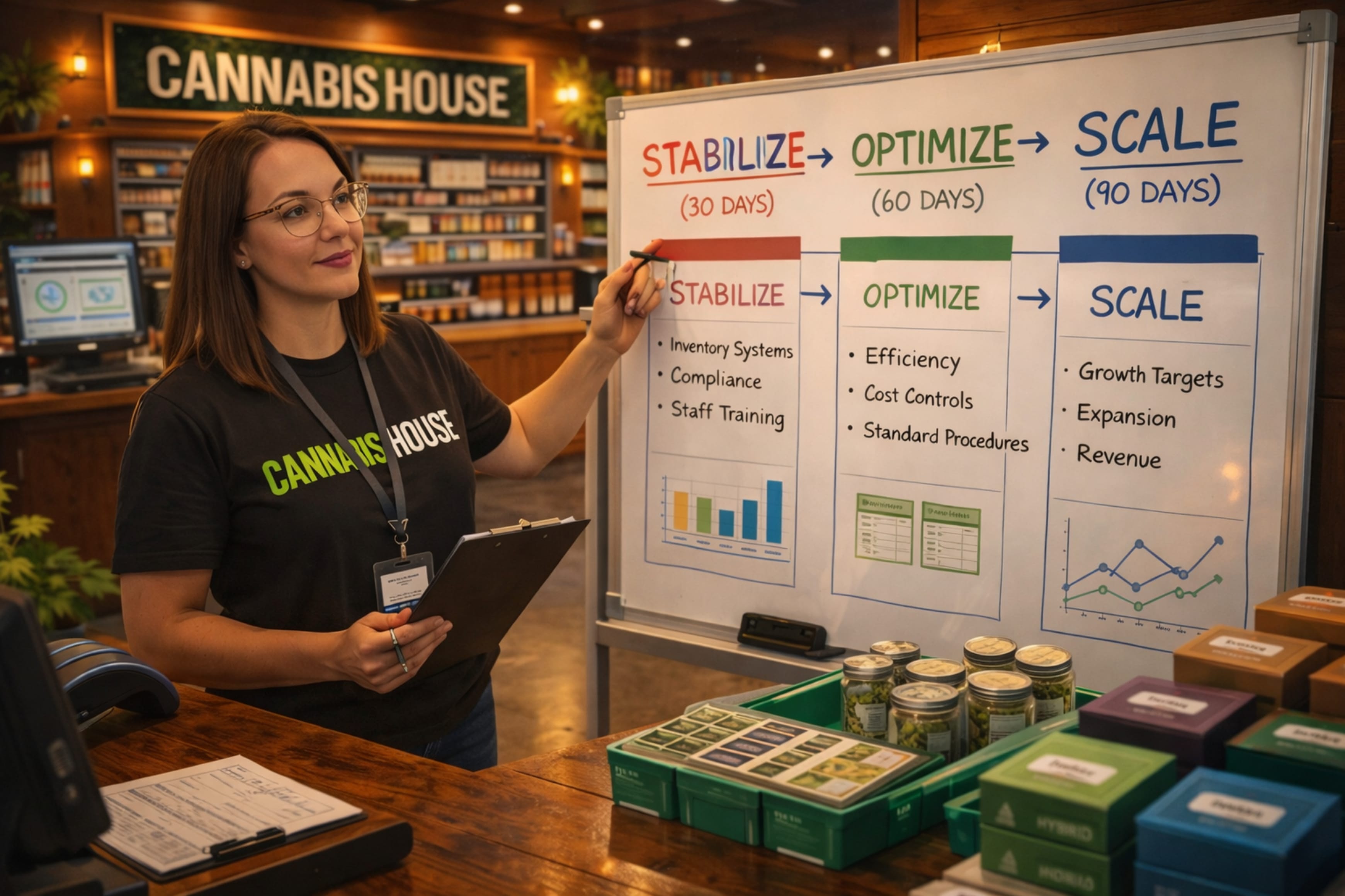
A structured turnaround requires sequence. The operation must first be understood. The most important problems then need to be prioritized, responsibilities clarified, systems implemented, employees trained, and results measured. Leadership needs enough visibility to determine whether those changes are actually improving the business.
This is where an experienced operating team becomes particularly important. The turnaround cannot remain in a presentation, spreadsheet, or strategic document. Eventually, the plan has to become the way the store operates every day.
Cannabis Rescue places significant emphasis on repeatable retail systems because strong dispensaries cannot depend indefinitely on one exceptional manager, one experienced budtender, or a handful of employees who know how to keep everything together.
But systems by themselves do not change businesses. People do.
An inventory management process only works if purchasing decisions follow it. A sales process only works if employees understand how to use it naturally with customers. A customer-service standard only matters when guests consistently experience it. An accountability structure only works when managers have clear expectations and are prepared to lead against them.
That is why implementation requires both systems and people. The operating environment created through Cannabis House allows those two disciplines to meet in real-world cannabis retail. Processes can be tested against actual customer behavior. Managers can identify where expectations are unclear. Purchasing decisions can be measured against product movement. Training can evolve based on what employees encounter during real shifts.
The result is an operating philosophy shaped not solely by theory, but by the realities of running cannabis dispensaries.
Distressed cannabis businesses rarely fail because of one isolated problem. A store may have an attractive location, valuable license, established customer base, strong product assortment, or meaningful revenue and still struggle because several weaknesses are compounding at the same time.
Inventory may be overextended. Promotions may generate sales without protecting margin. Labor may not match store traffic. Employee expectations may vary by manager. Customer retention may be weak. Purchasing decisions may be disconnected from actual demand. Ownership may have limited visibility into what is happening inside the business.
Cannabis Rescue is designed to look at those issues as parts of a larger operating system rather than isolated symptoms. The objective is not simply to identify what went wrong. It is to determine which changes can restore structure, improve execution, and give the business a stronger foundation from which to operate.
For some cannabis license holders, that may involve stabilizing an existing dispensary. For others, it may mean rebuilding management practices, inventory controls, sales systems, training, or customer experience from the ground up.
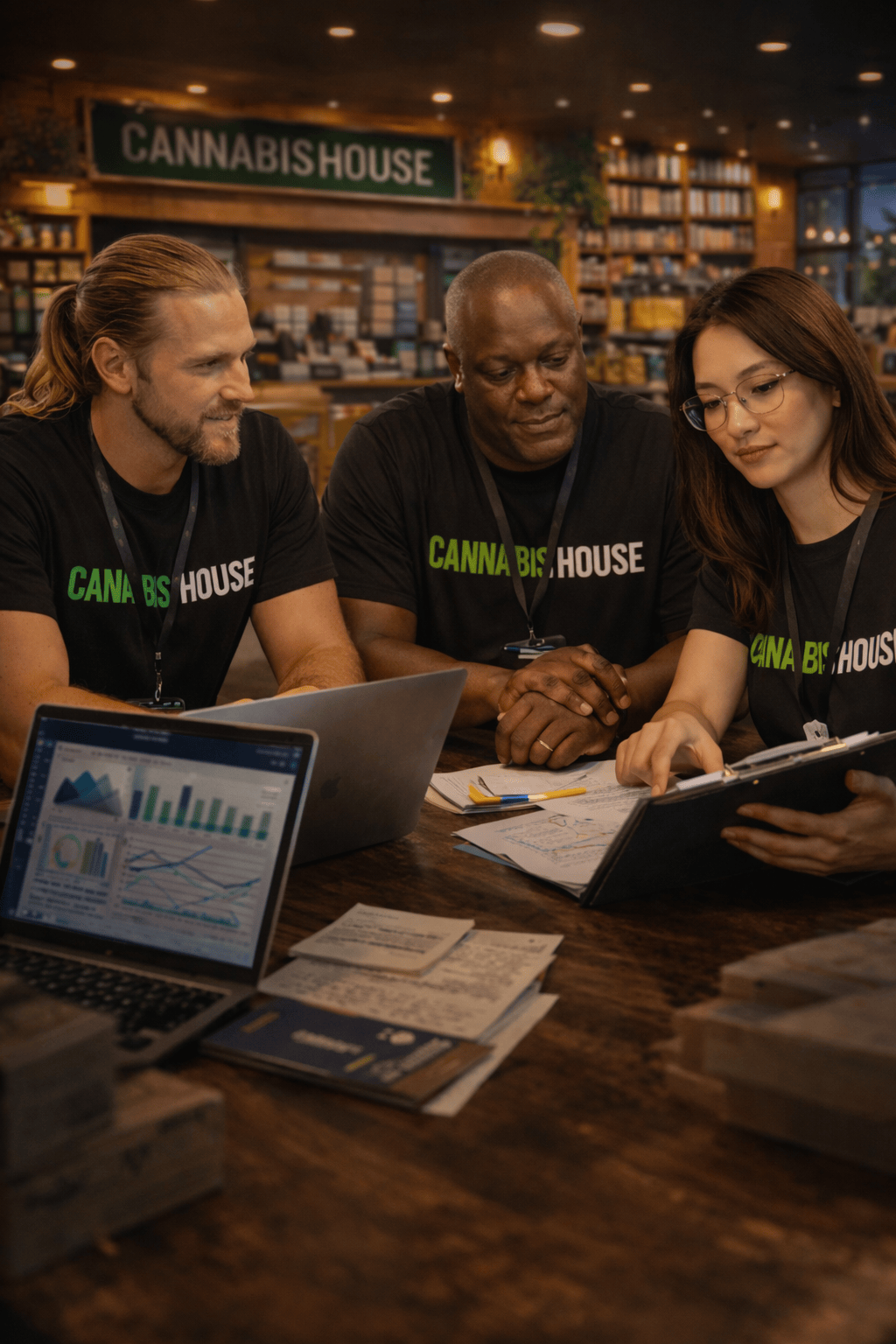

The same principles matter to cannabis investors.
Capital cannot correct weak operations on its own. An investor may see real value in a cannabis retail asset—whether through its license, location, customer base, market position, or future potential—while simultaneously recognizing that the business itself is not performing as it should.
The critical question becomes whether the underlying operation can be improved.
Answering that requires more than financial analysis. Investors need visibility into where margin is being lost, how inventory is being purchased and managed, whether labor is aligned with store activity, how leadership is functioning, whether customers are returning, and whether promotions are producing profitable behavior rather than simply lowering prices.
Most importantly, investors need to know whether there is a team capable of implementing the changes required to improve the asset.
That is an important part of the Cannabis Rescue model. The work is relevant not only to cannabis operators and license holders, but also to investors who need experienced cannabis retail operators around an underperforming business.
There is also a human side to cannabis rescue that does not always appear in financial reports.
Employees inside a distressed store may already have experienced shifting priorities, inconsistent leadership, inventory problems, declining sales, staffing changes, or multiple attempts to improve the business. By the time an operational turnaround begins, the team may be skeptical of another new initiative.
That history matters.
A new system cannot simply be announced and expected to work. Employees need to understand what is changing, why it matters, and what is expected of them. Managers need standards they can apply consistently. Training needs to connect directly to the responsibilities employees perform. Accountability needs to be understandable and fair.
When that structure begins to take hold, uncertainty can gradually be replaced by consistency. Employees understand their roles more clearly, managers gain stronger tools for leading the operation, and ownership receives better visibility into performance.
That is when a turnaround starts becoming sustainable rather than temporary.
Cannabis House is central to this story because Cannabis Rescue is not being developed as a theoretical management concept. Its philosophy grows out of operating cannabis retail businesses and confronting the same realities other operators face every day: customers, employees, inventory, vendors, brands, compliance requirements, competition, margins, product movement, and constantly changing consumer demand.
The solutions therefore have to function in the same environment where the problems exist.
Cannabis House represents the consumer-facing side of that operating experience. Cannabis Rescue represents the application of that experience to businesses that need stronger systems, clearer leadership, and disciplined implementation.
Chasom Brown helps provide the direction and operating philosophy. The broader team helps translate that philosophy into execution.
That combination is important because a cannabis turnaround is not complete when the problems have been diagnosed or the strategy has been written. It becomes meaningful when people inside the operation can execute the plan consistently enough to change the performance of the business.
Cannabis retail has no shortage of opinions about what operators should do differently. Distressed cannabis operators often need something more practical: clarity about what is wrong, which problems matter most, who is responsible for addressing them, how changes will be implemented, and how success will be measured.
For Chasom Brown, Cannabis House, and the Cannabis Rescue team, that is where the work comes back to operations.
For a license holder, it may mean stabilizing a store that has lost direction. For an operator, it may mean rebuilding systems that no longer support the business. For an investor, it may mean placing experienced cannabis retail operators around an asset that is not reaching its potential.
The circumstances may differ from one dispensary to another, but the underlying principle remains the same:
A cannabis turnaround is not complete when the strategy is written. It is complete when the team can execute it.
That is the work behind Cannabis Rescue™ Company.